

Dark Escape Zone places members inside compact rooms where every choice affects the next route. The game uses clear symbols, timed actions, and PHP or USD stakes on phpvip. This guide explains the format, key rules, and practical methods for players seeking cleaner decisions.
How Dark Escape Zone structures its survival challenge
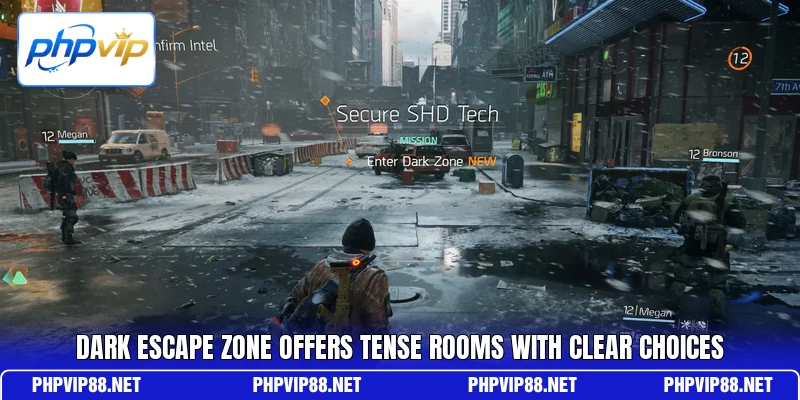
Dark Escape Zone uses connected rooms that change after each completed action or failed choice. Players watch doors, warning icons, timers, and reward markers before selecting their next move. Each room creates a simple decision between safer progress and higher-value risk.
The game presents short rounds, so members can understand outcomes without long waiting periods. phpvip displays stake options in PHP or USD before the round starts. Clear controls help players confirm movement, activate tools, or leave the room quickly.
Visual signals indicate locked paths, active traps, bonus areas, and possible escape points. Dark Escape Zone keeps these signals consistent, making each room easier to read over time. Players still face changing layouts, so fixed routes rarely work across every round.
Core rules and round progression for active players
Every Dark Escape Zone round follows a direct sequence from entry to final outcome. Members should understand each stage before selecting a stake or choosing an escape route.
Starting a new escape round
Players begin by choosing an available room and reviewing the listed stake requirement. The interface may show options such as PHP 20, PHP 50, or USD 1. Each choice sets the possible reward range before any movement starts.
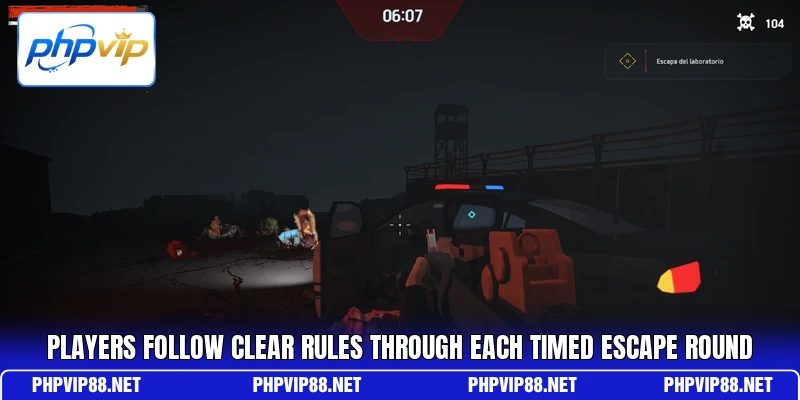
A short countdown usually begins after the selected amount receives confirmation. Members should use this time to identify doors, tools, and visible warning signs. Fast inspection prevents rushed choices when the first hazard becomes active.
The opening move often affects which rooms remain available later in the sequence. Safer doors may offer smaller rewards but create more stable movement options. Riskier entrances can lead toward stronger multipliers, traps, or limited exits.
Reading hazards and safe paths
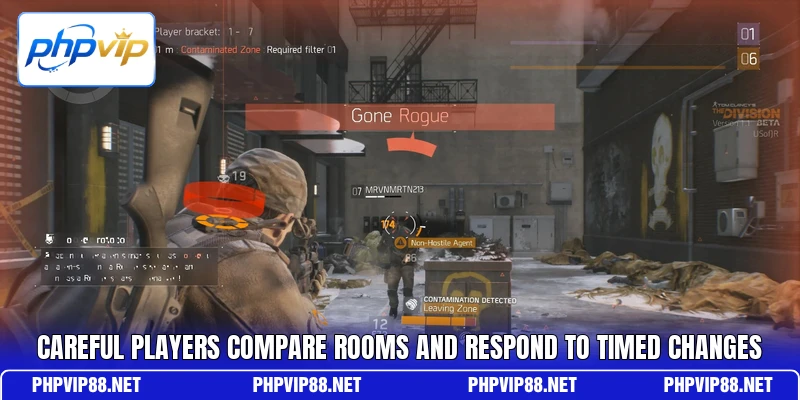
Warning symbols show where danger may appear during the current room cycle. Red lights, cracked floors, or moving barriers often signal an unsafe route. Players should compare these warning signs carefully before confirming any available direction.
Some hazards activate after a timer ends rather than immediately after selection. Members can use the remaining seconds to switch paths or activate a protection tool. Late reactions may close the safest exit and force a harder choice.
Safe paths are not always the routes with the lowest displayed reward. A quiet corridor may contain a delayed trap or hidden lock. Careful players check several signals instead of trusting one visual marker.
Dark Escape Zone path selection planning
Route planning starts with the nearest exit, available tools, and visible room connections. Players should identify two possible paths before making the first major decision. This practical approach creates a reliable backup option when a sudden barrier appears.
Each completed room reveals new information about nearby hazards and reward areas. Dark Escape Zone often changes access points, so earlier observations remain useful but not final. Members should update their plan after every door, timer, or tool event.
A strong route avoids unnecessary backtracking because repeated movement can consume limited time. Players can mark useful symbols mentally and connect them with nearby exits. This simple method supports faster choices without relying on random clicking during pressure.
View more: Cyber Street Chase – Fast Urban Betting Action For Players
Handling prizes and round endings
Rewards may appear as fixed values, multipliers, keys, shields, or exit bonuses. Members should read every displayed condition before collecting any item from the room. Some valuable objects increase reward value but also activate another nearby hazard.
A successful escape normally ends the round and shows the final result immediately. Failed movement can end play earlier when a trap removes all available protection. The result screen should list the stake, collected value, and closing outcome.
Players may leave before the final room when an early exit becomes available. Dark Escape Zone can present these choices after difficult sections or valuable item collections. Taking an exit confirms the current result and prevents further room changes.
Practical play techniques for better room decisions
The next methods focus on reading game information rather than using broad betting advice. Dark Escape Zone rewards accurate observation, controlled timing, and careful room comparison during each sequence.
Check symbols before each move
Every room includes visual information that can guide the next decision. Players should scan doors, floor marks, timers, and tool icons in a fixed order. A repeated scanning routine reduces missed warnings during faster and more complex rounds.
Door colors may indicate access type, reward level, or temporary restrictions. Members should compare these colors with nearby symbols before choosing a route. Similar shades can represent different conditions across separate rooms and later stages.
Tool icons also deserve attention because each item may work only once. Players should confirm whether a shield, key, or scanner remains active. Using the wrong tool early can remove an important option later.
Use timing amid pressure points
Timed events often appear when several routes remain open at once. Members should avoid selecting immediately unless a hazard clearly requires fast action. A brief pause can reveal moving barriers or changing warning signals.
Dark Escape Zone may update room conditions during the final seconds of a countdown. Players should watch the whole display instead of focusing only on one door. This careful habit helps identify late openings that offer safer movement options.
Some actions require clear confirmation before the active timer reaches zero. Members should leave enough time for the button press and screen response. Waiting too long can turn a valid plan into an automatic failure.
Compare rooms prior to choosing stakes
Available rooms may differ in speed, hazard density, and reward structure. Players should review these details before selecting PHP or USD stakes. A faster room demands quicker reading and offers less correction time.
Lower-entry rooms can help members learn symbol patterns and timing rules clearly. Higher-entry options may add more traps, tools, or branching routes during play. The best choice depends on familiarity with the specific room format.
Players should compare recent room layouts instead of repeating one selection automatically. Small changes can affect door access, warning placement, and tool value. A deliberate room check supports more informed choices before each new round.
View more Category: Arcade
Conclusion
Dark Escape Zone delivers short survival rounds built around symbols, routes, timers, and controlled choices. Members can access the game through phpvip and select suitable PHP or USD stakes. Register, download the app, start a room, and good luck with every escape attempt.